Our Projects
21st-Century Skills
Currently, at Huellas Honduras, we are enthusiastically executing the project "21st-Century Skills," funded by the Norwegian Refugee Council (NRC), a six-month initiative designed to transform the reality of 30 young people in the San Miguel sector of Tegucigalpa. This effort is born from the urgent need to offer real alternatives to the lack of educational and employment opportunities, directly addressing the risks associated with violence and irregular migration through the creation of protective environments and youth empowerment.
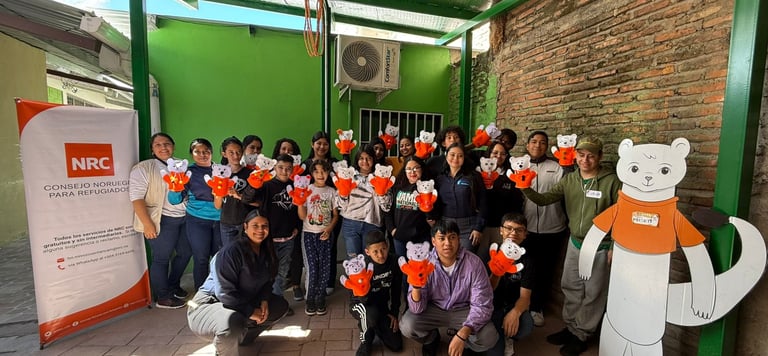
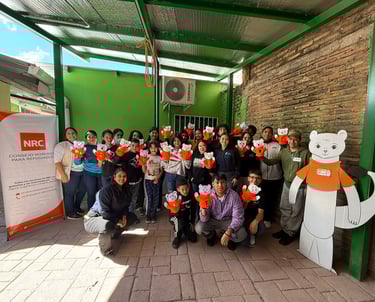
Our comprehensive intervention is developed through a practical methodology divided into four essential modules that combine personal growth with modern technical competencies. In this active phase, we are training participants in soft skills such as leadership, resilience, and conflict resolution, while providing them with key digital tools for their labor market insertion, including proficiency in Microsoft Office and basic design with Canva. This entire training process is reinforced by cross-cutting psychosocial support, ensuring that each young person receives the necessary emotional support to build a solid and sustainable life plan.
The ultimate goal we pursue with these actions is to activate a multiplier effect in the community. We seek not only to improve the employability of the participants but to turn them into true agents of change; therefore, the project will culminate with a micro-project phase, where young leaders will design and execute their own community initiatives. In this way, we guarantee that the knowledge acquired does not stay in the classroom but expands, demonstrating that the youth of Francisco Morazán have the talent and capacity to lead the social transformation of their environment.
Community Councils for the Promotion of Human Rights
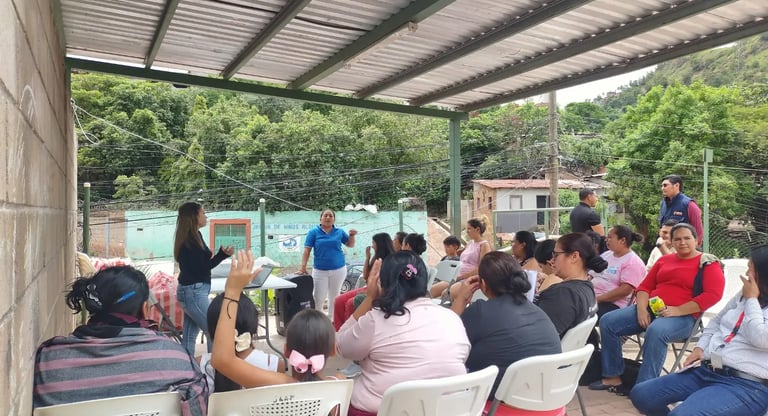
The project "Community Councils for the Promotion of Human Rights," executed between August and October 2025 by Warriors Zulu Nation and Huellas Honduras, had the primary objective of empowering the youth of Tegucigalpa. Implemented in the communities of San Miguel, Campo Cielo, and Ulloa, this initiative sought to expand the reach and multiplier effect of human rights advocacy in strategic areas of Francisco Morazán. Through a solidly structured training process, we enabled young people to strengthen their knowledge in human rights, migration, and the administration of justice, helping them understand their crucial role as agents of change within their own environments.
To ensure this learning was truly meaningful, we moved beyond traditional lectures and committed to participatory methodologies adapted to the realities of youth. We used innovative and contextualized educational tools, such as the Traveling Backpack, migratory bingo, and the Inclusion and Commitments Tree. These dynamics allowed us to translate abstract concepts into situated learning and facilitated the expression of the participants' personal experiences. Thanks to this interactive approach, we successfully created a safe and trusting environment where even the most reserved participants lost their fear of sharing opinions, asking questions, and actively engaging in the sessions.
The scope of this intervention stood out for its high turnout and its strong focus on gender equality, directly training a total of 117 young people across the three communities. We had a significant female participation, representing 59% of the group (69 women) compared to 41% of men (48 men), with the vast majority of beneficiaries falling within the 10 to 25 age range. Furthermore, the project went beyond direct training by successfully implementing the "youth replicators" strategy. Through this model, young leaders conducted replication sessions, successfully transferring their knowledge to 150 students at the Juan Ramón Molina Basic Center in the San Miguel community.
One of the most profound achievements of this joint effort was the transformation in how youth perceive their reality and their rights. We succeeded in changing their perspective on justice, moving from the belief that the country only protects those with the most, to understanding that basic rights, such as access to quality education, can and should be demanded by them. By providing these young people with leadership tools, critical thinking, and solid knowledge, the project has laid the foundation for this impact to be sustainable over time, contributing to the empowerment and resilience of communities facing situations of vulnerability.
Strengthening Bonds
Impact
Development
The positive impact of our project is reflected in effective conflict resolution, which contributes to promoting a more peaceful and harmonious coexistence in the participating communities. Likewise, young people are provided with the opportunity to participate in decision-making spaces and to involve themselves actively in community life, strengthening their sense of belonging and civic commitment.
Through participation in our workshops, young people acquire the necessary tools to become proactive and empowered youth leaders, both in their communities and in their personal lives. Additionally, they are provided with training in mediation and conciliation techniques, which serve as key pillars for creating meaningful collaborations and strengthening social cohesion.
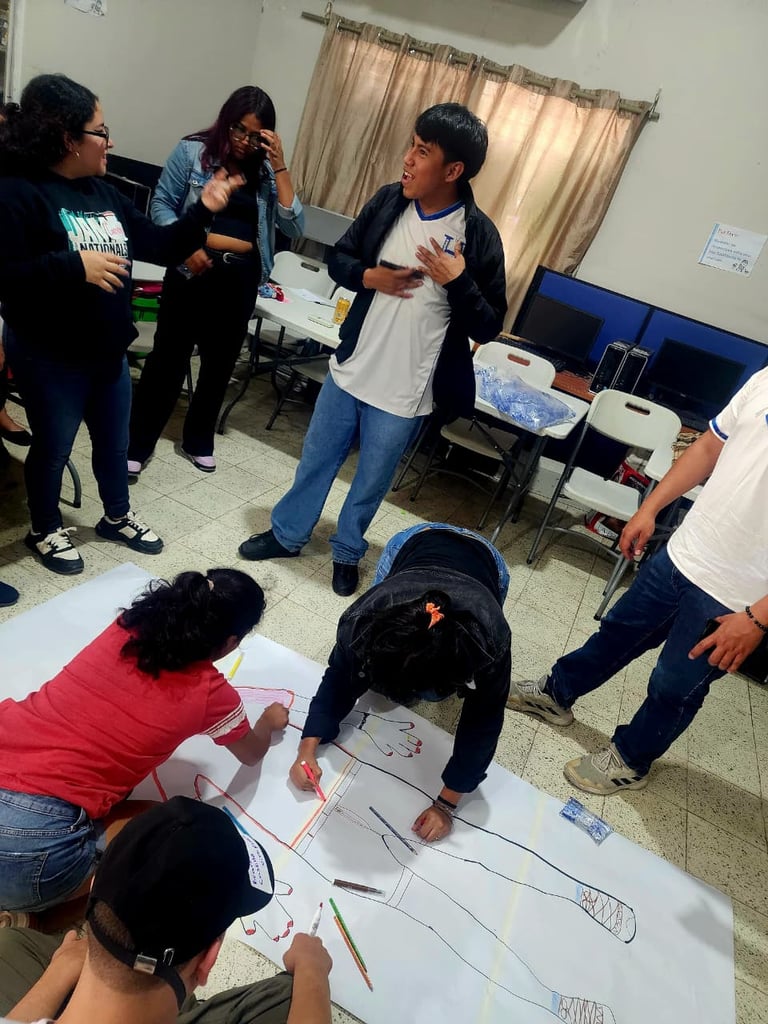
In the framework of the "Fortaleciendo Vínculos" (Strengthening Bonds) project, we are proud to present a social impact initiative focused on the development and implementation of conflict resolution workshops in selected communities, such as Los Pinos, San Miguel, El Pedregal, and Campo Cielo. Our approach is based on training young people in fundamental skills and knowledge that allow them to improve their interpersonal relationships, foster effective communication, practice mediation and negotiation, and cultivate empathy.
Participation
Within this context of learning and growth, young people develop a series of fundamental skills and competencies, such as effective communication, teamwork, conflict management, leadership, and facilitation techniques. These skills not only allow them to resolve conflicts effectively but also prepare them to face future challenges and contribute significantly to the sustainable development of their communities.
At Fortaleciendo Vínculos, we promote communication and collaboration as essential pillars for building a peaceful and supportive environment in the communities where we intervene, creating safe spaces and providing tools for effective conflict resolution.
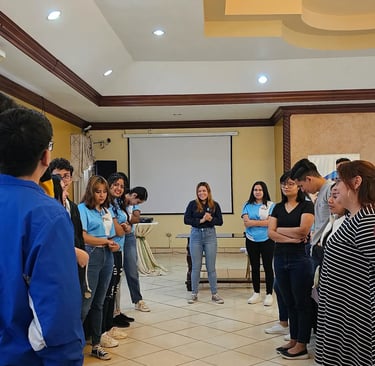
Youth Transparency Committees
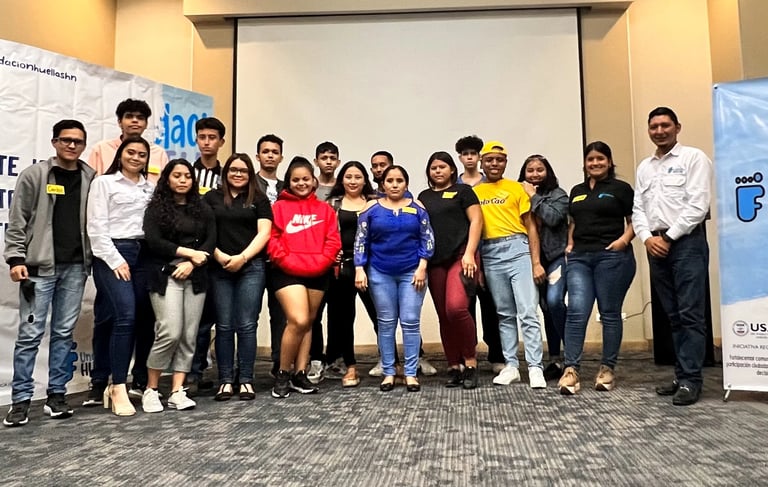
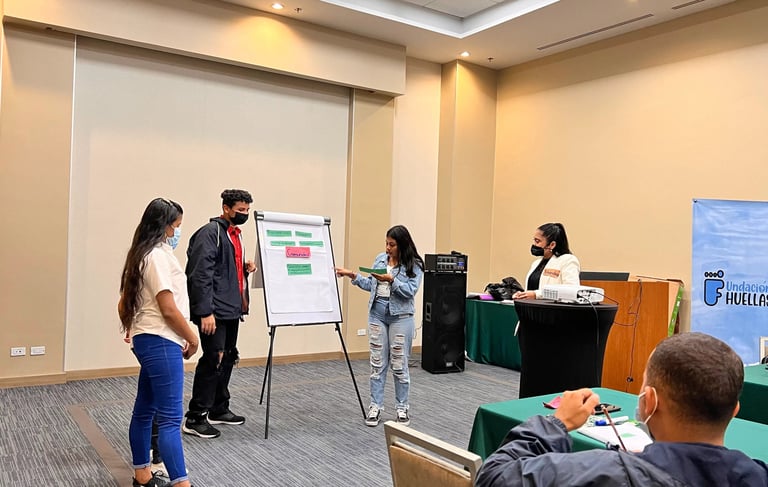
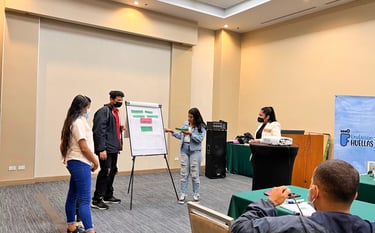
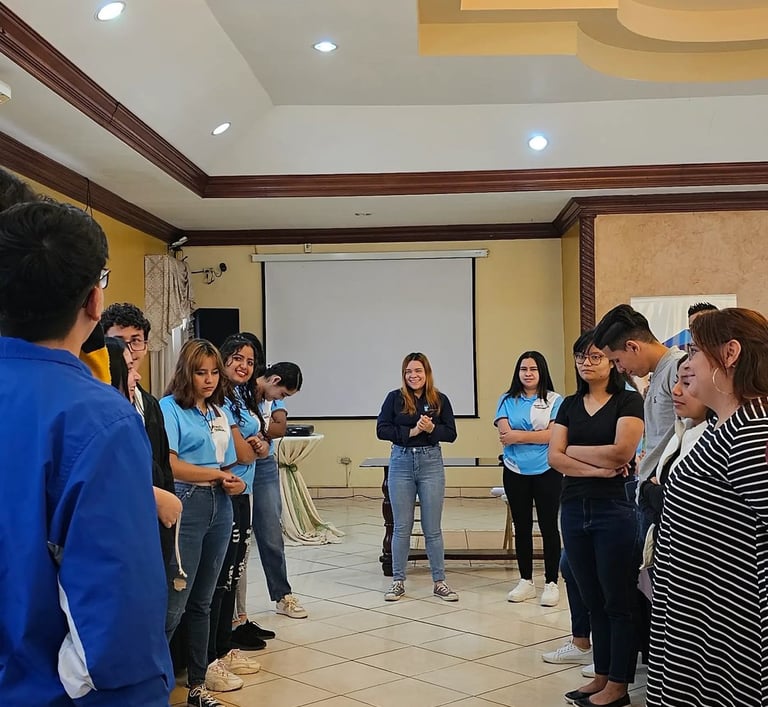
The Youth Transparency Committees project has strengthened young people in San Miguel, El Pedregal, Los Pinos, and Campo Cielo, generating opportunities for development, growth, and positive leadership. Through practical workshops divided into three phases, members were prepared in crucial topics such as leadership, community organization, social auditing, and community resource management.
The beneficiaries showed excellent acceptance and active participation, demonstrating a deep interest in applying the acquired knowledge—especially in leadership and transparency—positively impacting their communities.
The trained youth demonstrated a significant development of skills and capacities, strengthening themselves within their committees and contributing innovative proposals based on shared experience. Participants were sensitized to the importance of collaborating with Community-Based Organizations, promoting teamwork and effective decision-making for the collective benefit of each intervened community.
This approach has had a deeply positive impact on the communities involved. The youth, trained through the youth transparency committees, have been inspired to take on active roles in community development and the promotion of local transparency. They have emerged as committed leaders who are not only aware of the challenges their communities face but are also equipped to propose effective solutions and participate in important decisions.
Furthermore, the impact extends beyond the tangible: a culture of transparency and accountability has been fostered, strengthening trust in local institutions and promoting more open and participatory governance. In short, the program has cultivated not only practical skills among the youth but also a sense of empowerment and civic commitment that endures and multiplies within and beyond the involved communities.